

Displaying 1 - 10 of 98
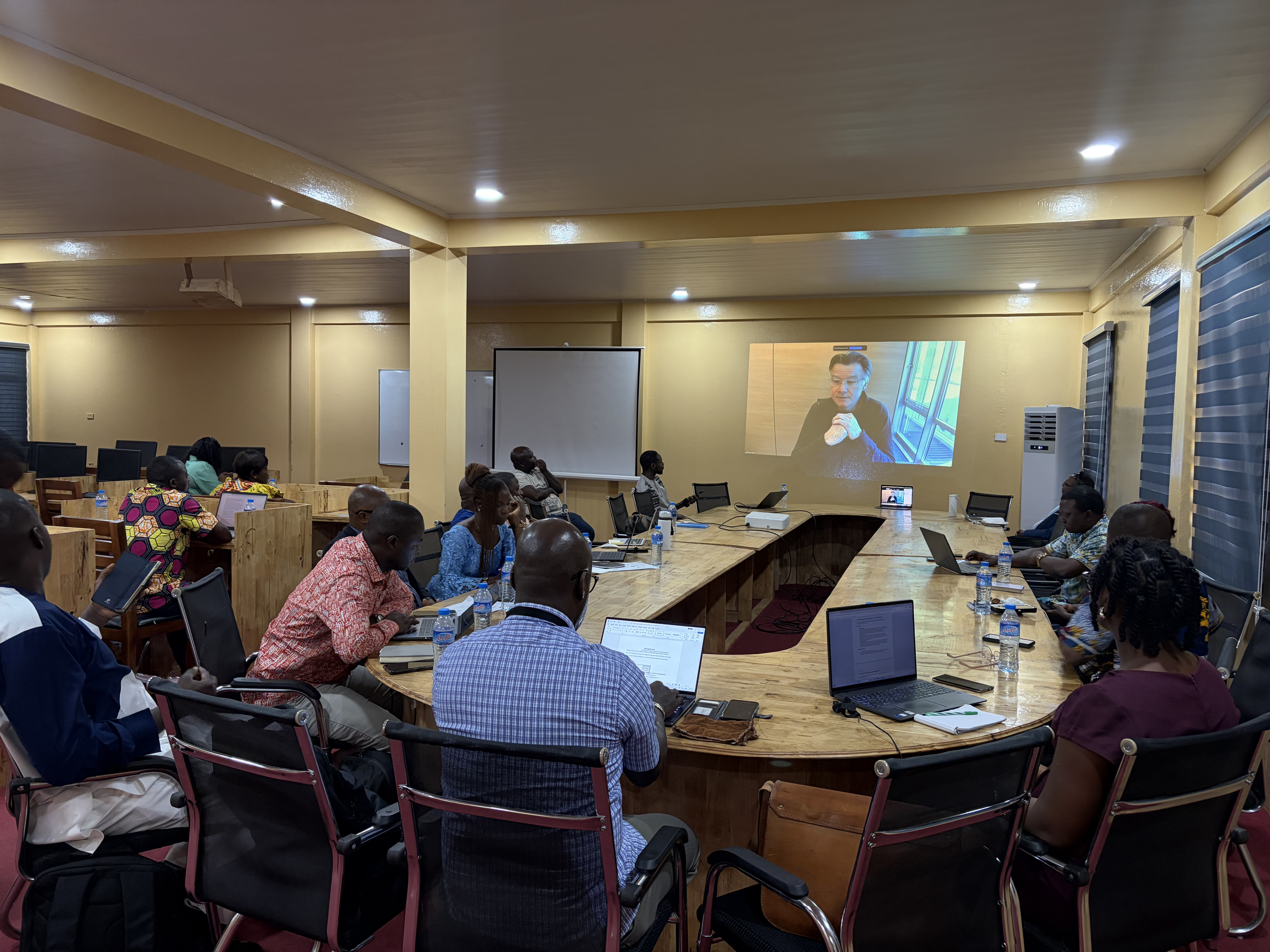
Liberia is advancing its national response to climate change by strengthening education, training, and public awareness systems. A multi-stakeholder workshop validated key findings on climate learning needs and laid the foundation for a comprehensive Climate Change Learning Strategy. This marks a major step toward building the knowledge and capacity needed for effective climate action nationwide.

On 2 April 2026, UNITAR will host the webinar “Food Waste Prevention in Practice: Learning, Policy, and Community Solutions” in the context of the International Day of Zero Waste. The 90-minute online event will bring together experts and practitioners to explore how learning, public policy, and community-led action can help tackle food waste, a major but preventable driver of environmental harm and food insecurity.

26 February 2026, Geneva, Switzerland - The University of Oxford and UNITAR, as part of the Partnership for Action on Green Economy (PAGE), launch the Future-proofing Business and the Economy executive programme to equip senior leaders with the skills to navigate rapid global change and the green transition.
The programme brings together expertise from five UN agencies and leading Oxford academics, combining global policy insights, cutting-edge research, and practical tools for strategic decision-making in uncertain environments. It focuses on helping organisations remain competitive, resilient, and inclusive amid political, economic, technological, and climate disruptions, offering a unique learning experience at the intersection of sustainability, policy, and business strategy.
The programme brings together expertise from five UN agencies and leading Oxford academics, combining global policy insights, cutting-edge research, and practical tools for strategic decision-making in uncertain environments. It focuses on helping organisations remain competitive, resilient, and inclusive amid political, economic, technological, and climate disruptions, offering a unique learning experience at the intersection of sustainability, policy, and business strategy.
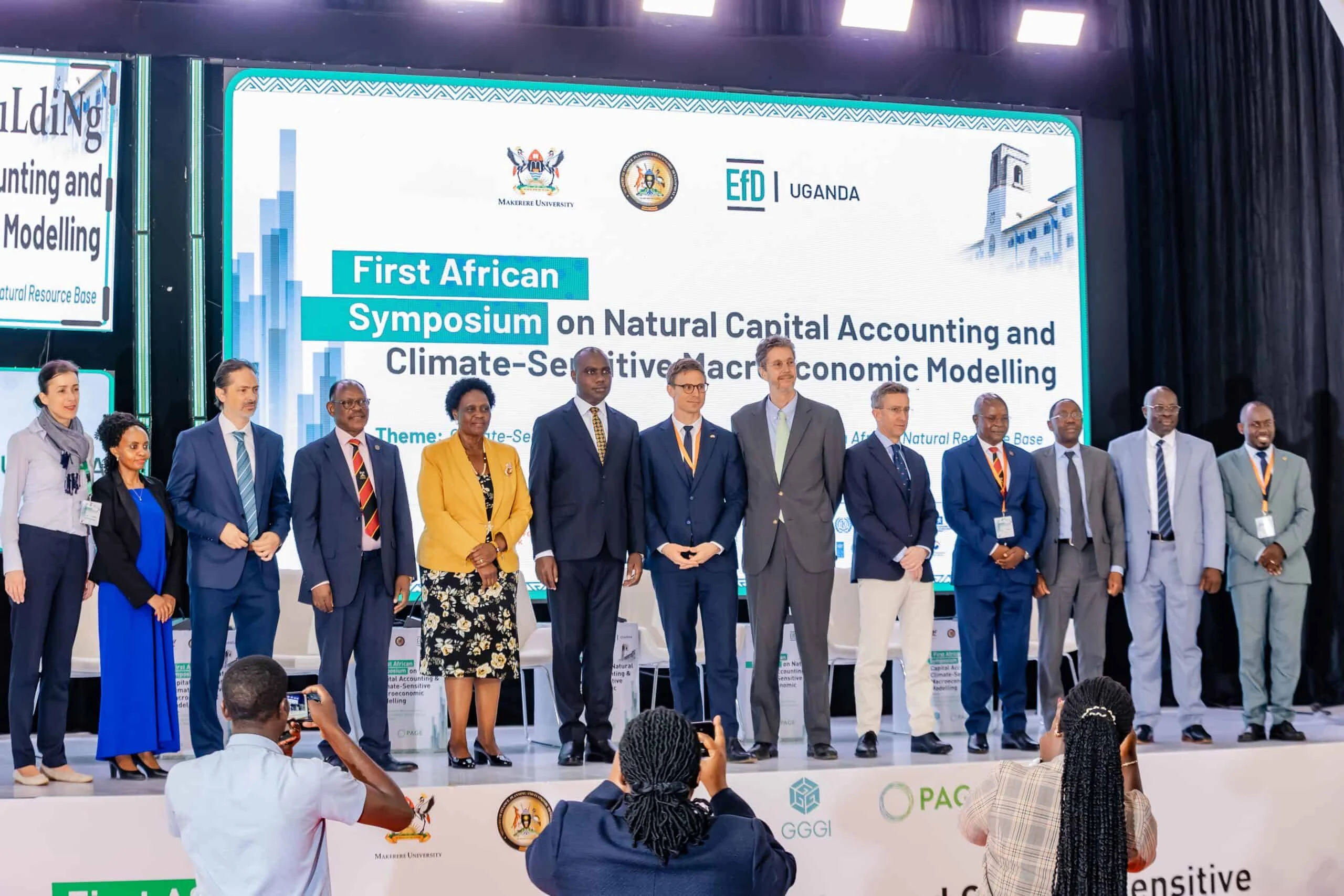
20 February 2026, Kampala, Uganda - UNITAR, under the Partnership for Action on Green Economy (PAGE) supported the First Annual African Symposium on Climate-Sensitive Macroeconomics on “Rethinking Growth in Africa’s Natural Resource Base”. The event brought together policymakers, researchers, and development partners at Makerere University in Kampala, Uganda, on 12–13 February 2026.
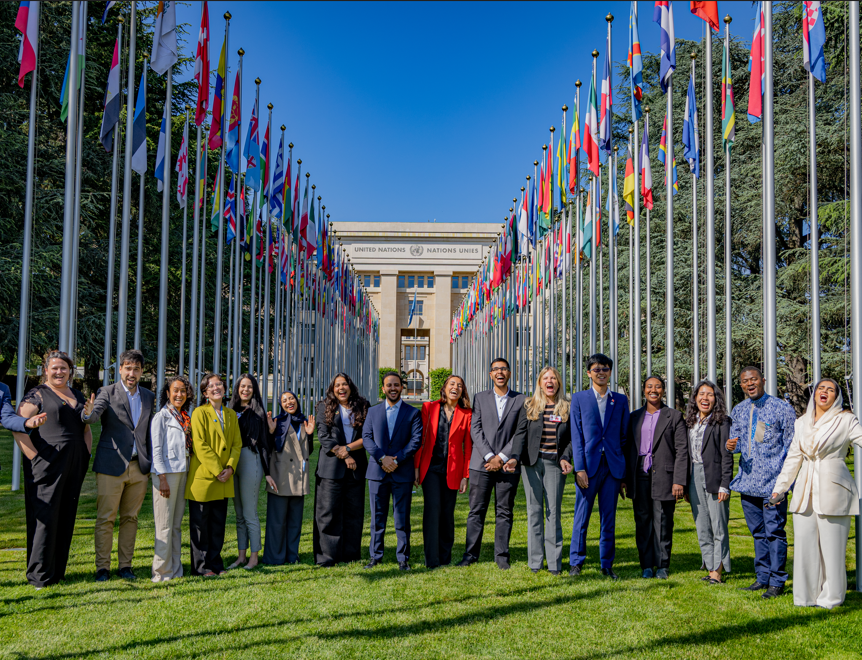
The United Nations Chemicals and Waste Management Study Programme

2 February 2026, Geneva, Switzerland - In January 2026, the United Nations Institute for Training and Research (UNITAR) reached a major milestone with the issuance of its first-ever digital certificate of completion. Issued on 31January 2026 by the One UN Climate Change Learning Partnership (UN CC:Learn), this certificate marks the culmination of a months-long process to introduce state-of-the-art certification at UNITAR, responding to the needs of an online learning environment that continues to evolve rapidly.
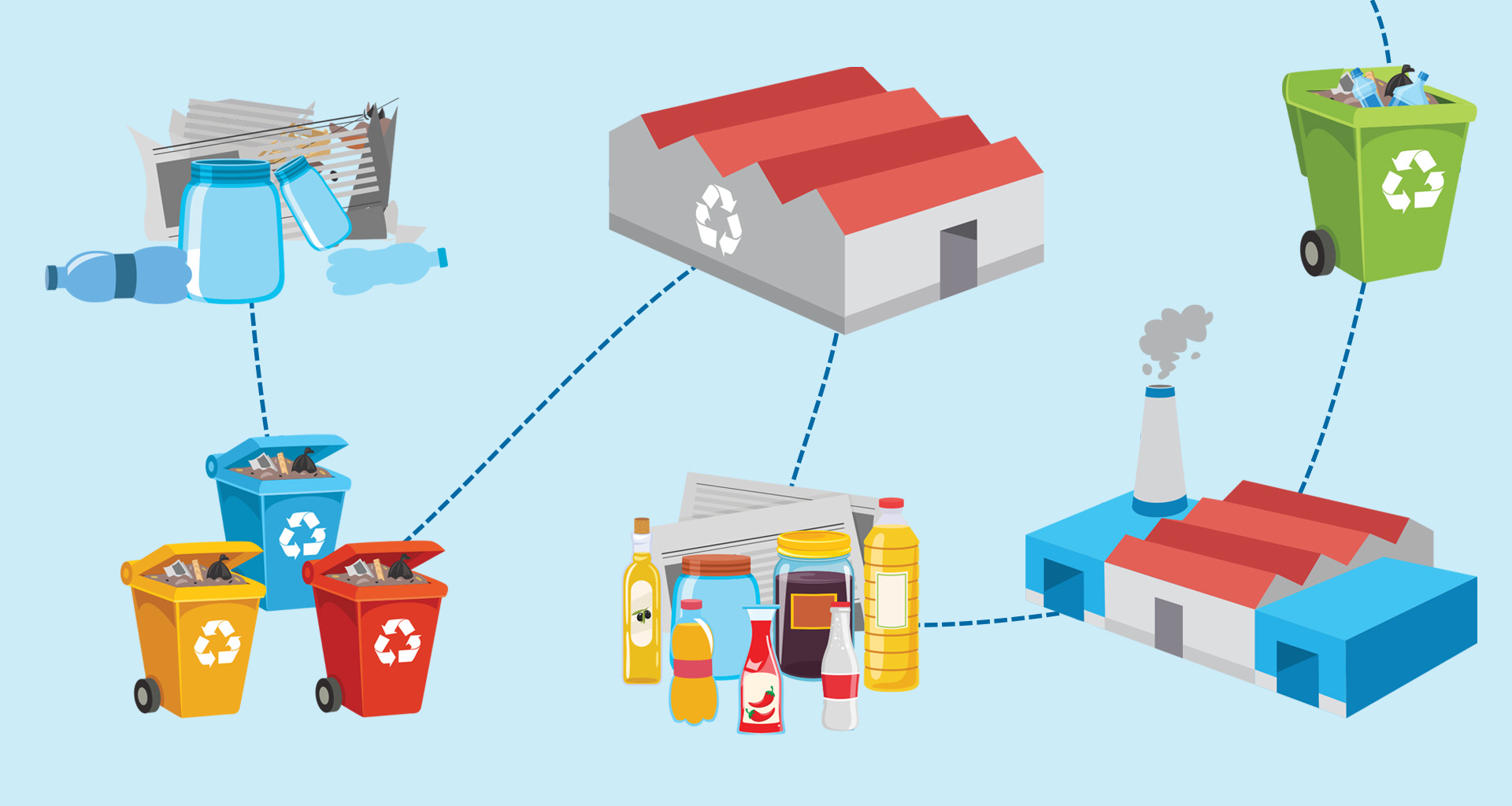
30 January 2026 - This Statistical Guideline aims to address the lack of a detailed, globally agreed statistical methodology for measuring plastic flows at the national, regional, and global levels. It provides guidance to practitioners on producing high-quality national-level statistics on plastics that are comparable across countries.
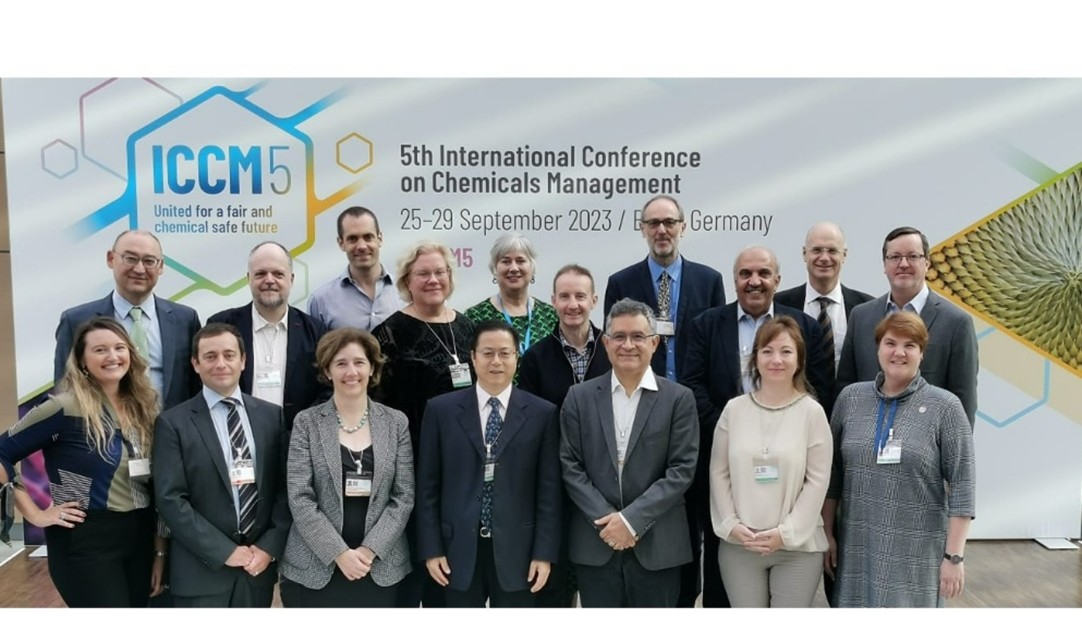
1 January 2026, Geneva, Switzerland — The United Nations Institute for Training and Research (UNITAR) has been named the new administering organization of the Inter-Organization Programme for the Sound Management of Chemicals (IOMC) and host of its Secretariat, marking a new chapter for the global partnership after three decades of coordinated action on chemicals and hazardous waste management and continuing the role played by the World Health Organization (WHO) since 1995.
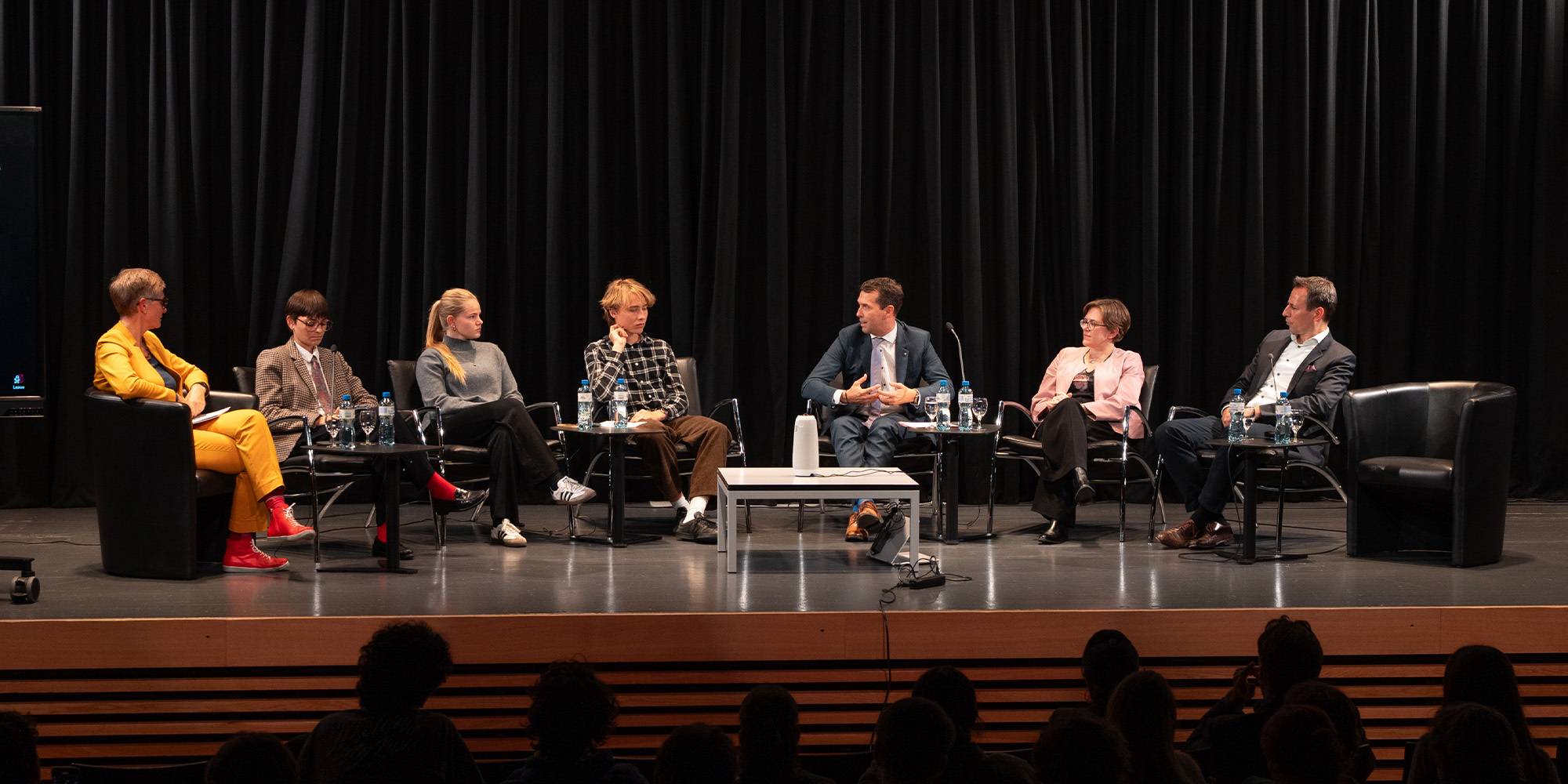
3 November 2025, Geneva, Switzerland – The No Borders for Climate Action event in St. Gallen, Switzerland, brought together students and experts from Switzerland, Brazil, the UAE, and Zambia for a day of dialogue, learning, and collaboration on climate solutions. From Youth Climate Dialogues to a high-level panel, participants explored the inextricable links between education and action.
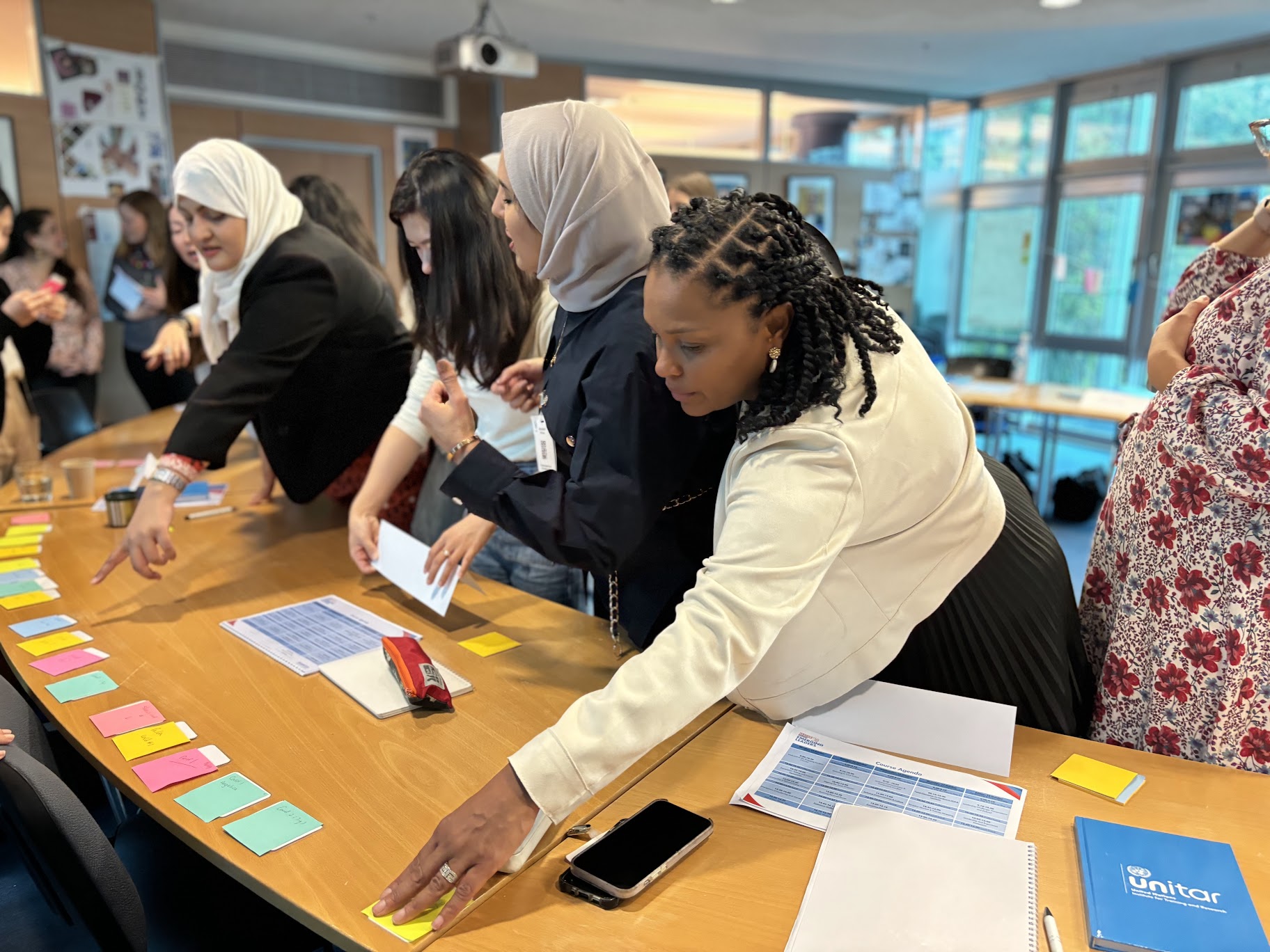
24 October 2024, Geneva, Switzerland - On United Nations Day, observed every year on 24 October, the research and training institutes of the United Nations reaffirm their essential role in building an integrated, effective, and future-ready UN system that delivers for people. This day marks the anniversary of the entry into force of the UN Charter in 1945 — the founding moment of the Organization — and invites reflection on the UN’s enduring mission to promote peace, development, and human rights and how knowledge and learning support that mission.